Once the direction is clear, we move into development and research.
This is where the idea becomes a visual plan. I look into locations, access, seasonal conditions, risks, and visual opportunities. At this stage I often shape a narrative approach—deciding whether the story is observational, character-driven, or more structured for a campaign. I also start building a shot concept: what moments need to be captured, what environments are key, and what logistical setup is required.
Next comes pre-production, where everything becomes practical.
I build the shooting plan, organize gear, prepare travel logistics, and coordinate with local teams or fixers if needed. Because I usually work in small crews—or often alone—I design everything around mobility and adaptability.
Production is the field execution phase.
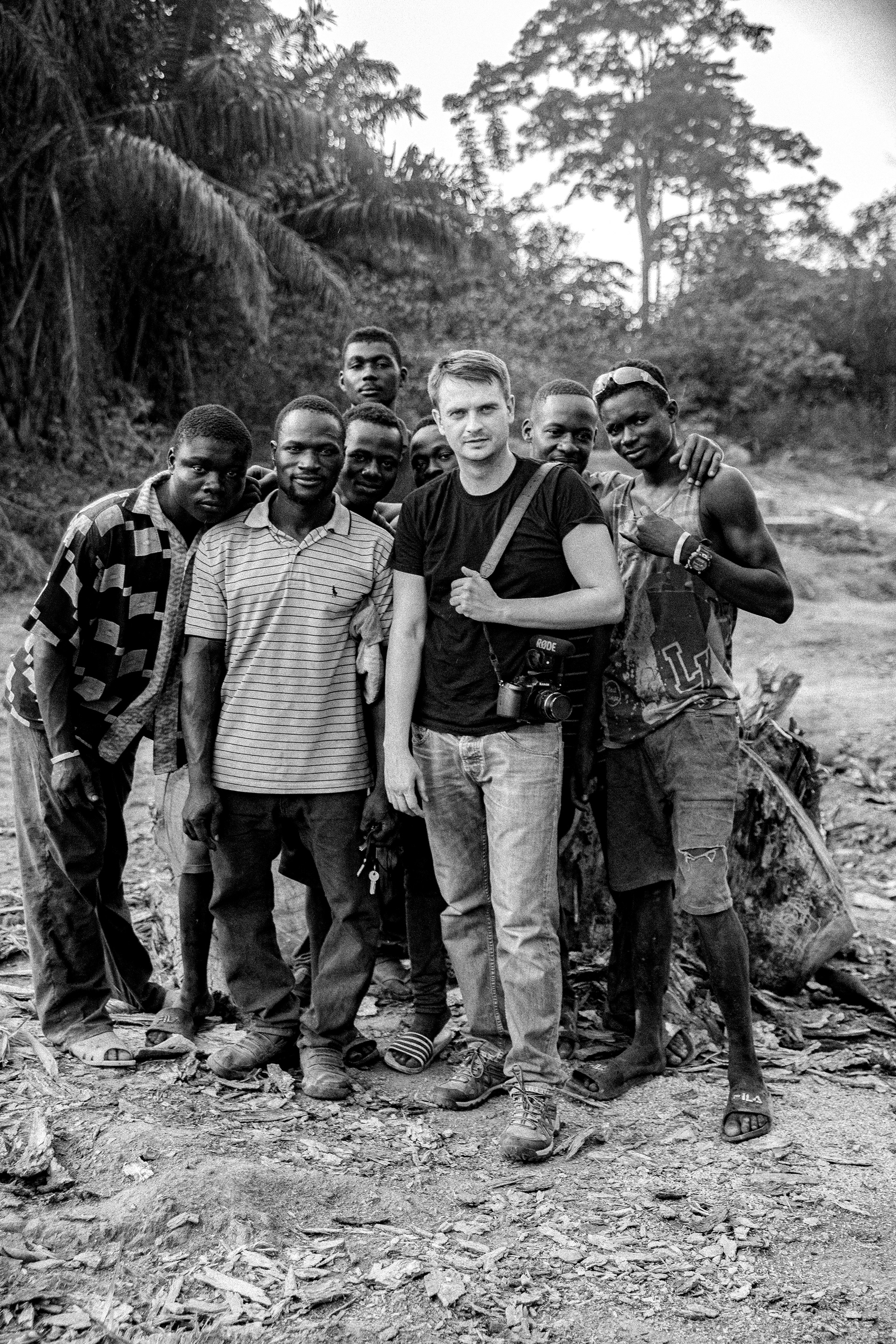
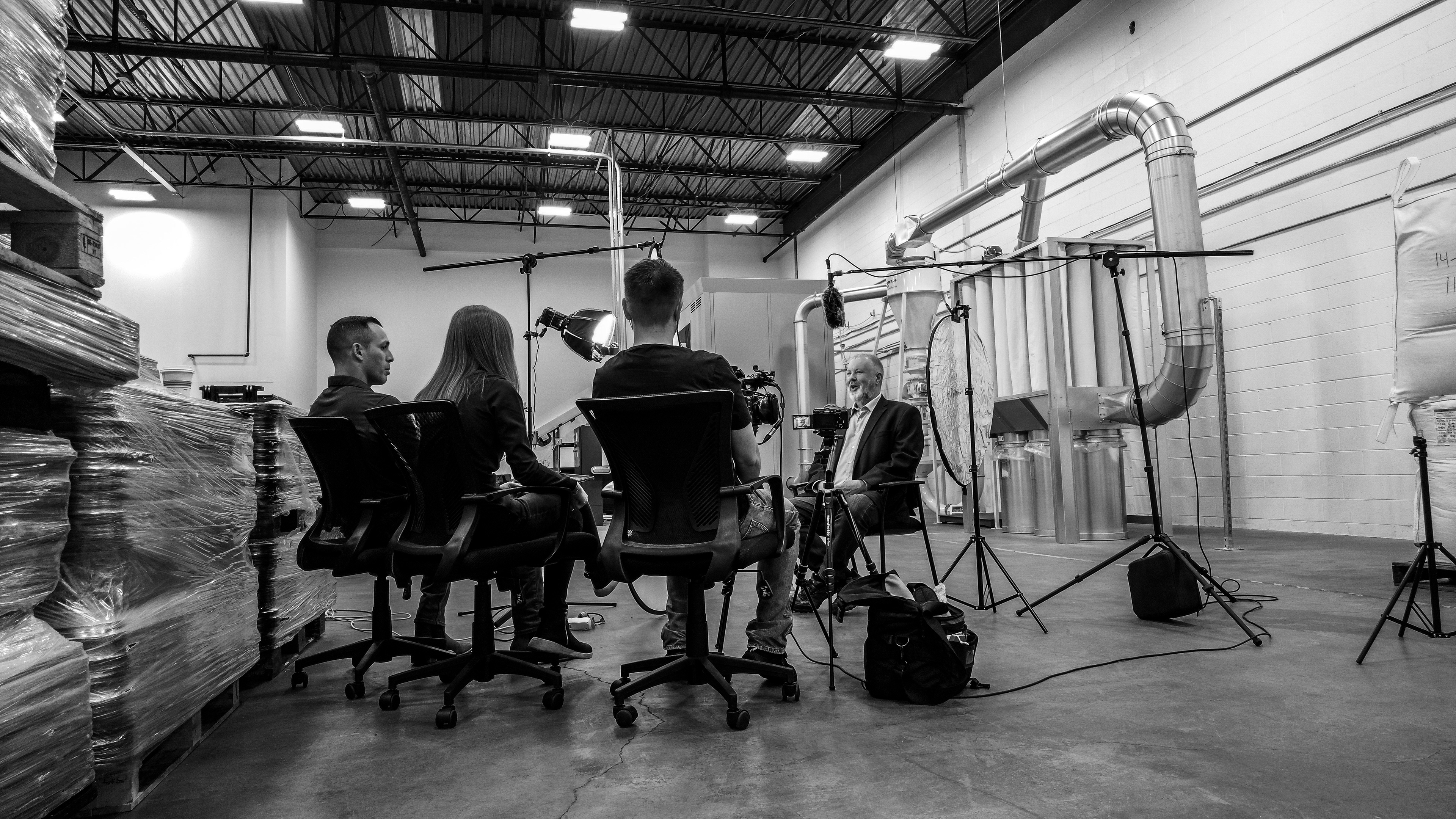
This is where filming happens, but it’s never static. Conditions change constantly—weather, access, timing, people’s comfort in front of the camera. A typical day might involve filming early morning operations in a forest, moving quickly to a transport hub in the afternoon, and capturing human-focused interviews in difficult conditions by evening.
Finally, delivery depends on the project, but it’s usually a set of tailored outputs: a main documentary film, shorter cutdowns for campaigns or social media, and sometimes additional stills or visual assets.
Deliverables.
Finally, delivery depends on the project, but it’s usually a set of tailored outputs: a main documentary film, shorter cutdowns for campaigns or social media, and sometimes additional stills or visual assets.